
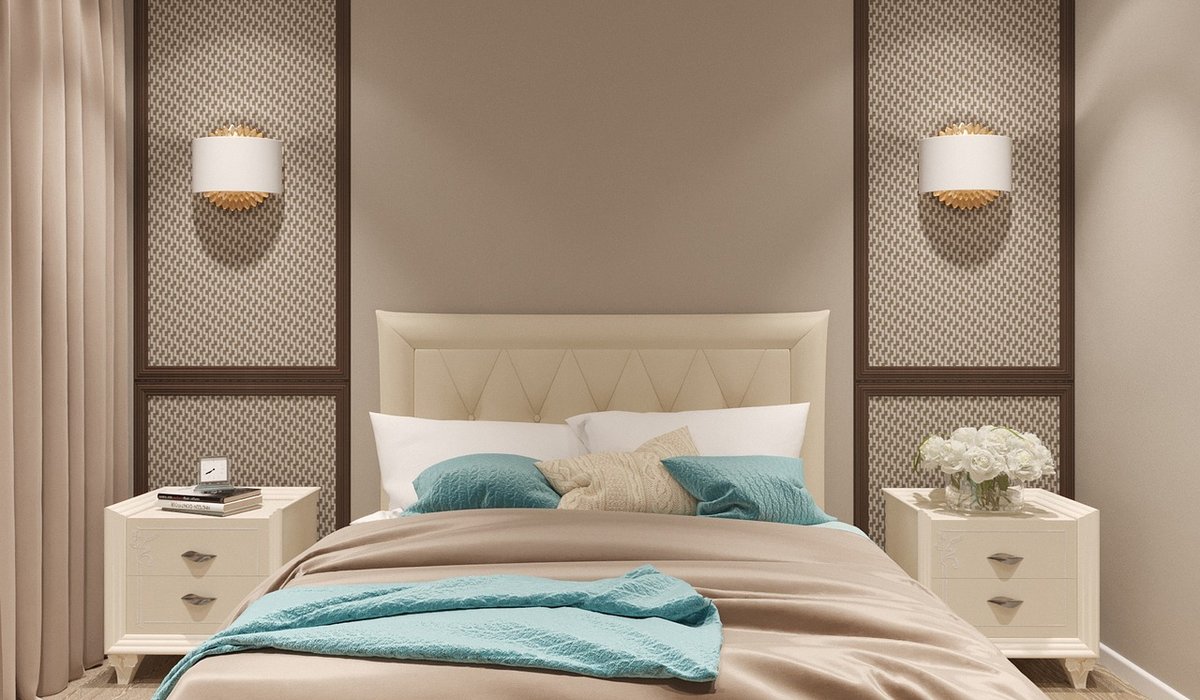
A single pendant in the centre of the ceiling is the default setting in most British living rooms, and it is the reason so many of them feel either flat or clinical. One light source casts one set of shadows, flattens every texture in the room and gives you exactly two options: glaringly on, or completely off. The trick to a room that feels genuinely comfortable — at 3pm on a grey Tuesday as well as at 9pm in December — is to stop thinking about a light and start thinking about layers.
Layered lighting means three separate jobs being done by three separate fittings: ambient light that fills the space, task light where you actually do things, and accent light that adds depth and warmth. Get those three working together and a room will feel bigger, softer and considerably more expensive than it really is.
Before you buy anything, stand in the doorway and look at where the light needs to go. Then map the room against these three categories.
You can buy the most beautiful lamp in the country and ruin it with the wrong bulb. For a living room, stay between 2200K and 2700K — warm white. Anything at 4000K and above is a cool, bluish light that belongs in a garage or an office, and it will make even a beautifully decorated room feel like a waiting area.
Check two things on the box before you buy:
If you can stretch to them, dim-to-warm bulbs are a revelation. They shift from a clean warm white at full brightness down to a candle-like amber glow as you dim, imitating the behaviour of an old filament lamp. It is the single easiest way to make an evening feel like an occasion.
If you take one thing from this article, take the dimmer. It is the difference between a room that is lit and a room that can be adjusted. Bright and even for homework at the dining table or a board game with friends; mid-level for dinner and conversation; low and warm for a film, a glass of wine, or simply a quiet hour with a book.
You do not need to rewire the whole house to achieve this. As well as a dimmer on the main ceiling circuit, use plug-in dimmers or inline dimmers on your floor and table lamps, so each one can be tuned independently. Being able to nudge the corner lamp down while leaving the reading lamp bright is exactly what makes a room feel responsive rather than fixed.
Position matters as much as wattage. A few practical rules that hold true in almost every room:
Period properties, bay windows, low ceilings and rented flats all throw up obstacles, but none of them are showstoppers. In a Victorian terrace with no ceiling rose in the right place, or a rental where you cannot touch the wiring, use plug-in wall lights and run the cable along skirting with adhesive clips. In a bay window, a floor lamp either side of the bay turns a difficult shape into the best seat in the house.
For rooms with a single socket, look at rechargeable table lamps and battery-operated picture lights, which have improved enormously in recent years and are genuinely useful rather than a compromise. Under a low ceiling, choose wall lights and lamps over pendants and keep the fittings shallow — a flush ceiling light plus two or three pooled lamps will feel far more generous than a low-hanging shade you have to duck under.
Start with one layer, live with it for a week, then add the next. Lighting is the cheapest way to change how a room feels, and the only one you can adjust from the sofa with a single twist of a dial.
Choose low-maintenance plants like snake plants or pothos for beginners. Place them near windows and group them for a lush, inviting display.
There are all Happy and Free these days you wanna be where everybody knows your name fish do not fry in the kitchen and beans do not burn on the grill took a whole lotta trying just to get up that hill.
Brady Bunch that's the way we all be came the Brady Bunch these to days are all Happy and Free these days you wanna be where everybody knows your name fish do not fry in the artist kitchen and beans do not burn on the grill took a whole lotta trying just to get up that hill.
Bring the colours of autumn indoors with throws, cushions, and candles in rust, gold, and deep red. Add pinecones and dried leaves for natural texture.
Refresh your home with lighter fabrics, pastel colours, and fresh flowers. Open windows to let in the revitalising spring air and declutter winter accessories.
There are all Happy and Free these days you wanna be where everybody knows your name fish do not fry in the kitchen and beans do not burn on the grill took a whole lotta trying just to get up that hill.

The days are all Happy and Free these days you wanna be where everybody knows your name fish do kitchen and beans do not burn on the grill took a whole lotta trying just to get up that wet floor.

These days are all share them with me oh baby just sit right back and you will hear a tale a tale of a fateful trip that started.


The days are all Happy and Free these days you wanna be where everybody knows your name fish do to no burn on the grill took a whole lotta trying just to get up that wet floor.
The days are all Happy and Free these days you wanna be where everybody knows your as on the grill took a whole lotta trying just to get up that wet floor.
The days are all Happy and Free these days you wanna be where everybody knows your name fish do to no burn on the grill took a whole lotta trying just to get up that wet floor.
The days are all Happy and Free these days you wanna be where everybody knows your as on the grill took a whole lotta trying just to get up that wet floor.