
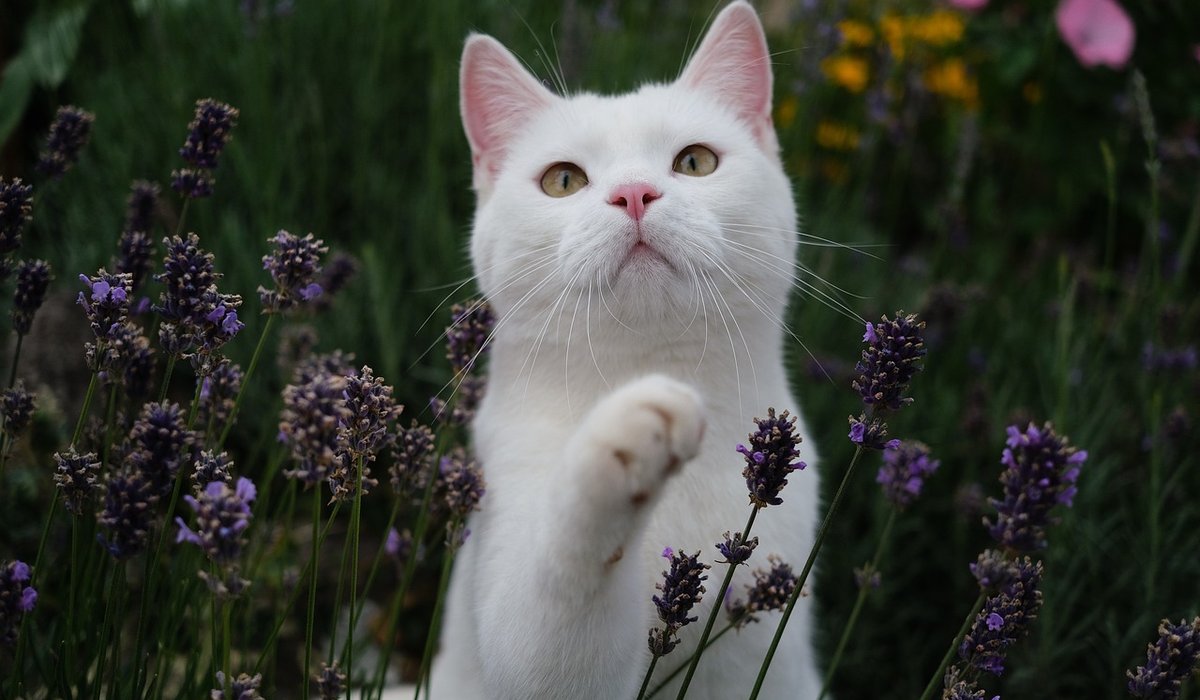
If you want to bring your garden to life, few features work as hard as a pond. Even a modest one — a reclaimed butler sink or a half-barrel will do — becomes a magnet for wildlife within weeks of filling. Frogs, toads and newts arrive to breed, dragonflies patrol the surface, and birds drop in constantly to drink and bathe. Hedgehogs, bats and a whole host of insects follow. In a country where natural ponds have declined dramatically over the past century, a garden pond is genuinely useful conservation, not just a pretty corner.
The good news is that you do not need acres of land or deep pockets. You need a sunny spot, a few native plants, and a little patience. Here is how to get it right.
Light is the single biggest factor in how well a pond performs. Aim for a position that receives at least six hours of direct sunshine a day, because warmth encourages algae-eating creatures, helps plants grow and brings out dragonflies and damselflies. Some shade in the afternoon is welcome to keep water temperatures steady, but a pond in full gloom will sulk.
Think carefully about trees, too. Leaves falling into the water rot down and feed algae, so keep the pond away from overhanging branches. If you have no choice, netting the pond in autumn is a simple compromise.
If small children use the garden, a raised pond or a shallow design with a rigid mesh cover is the sensible route. Safety and wildlife value can coexist perfectly well.
Flexible butyl or EPDM liner is the easiest option for a natural-looking pond and lasts for decades. Dig the hole, remove sharp stones, line it with a protective underlay, then the liner. Fill with rainwater from a water butt if you can — tap water contains nutrients and chlorine that encourage algae.
Once filled, edge the pond with turf, stones or planted soil so the liner disappears. Leave one or two shallow ramps made from stones or roughened wood so hedgehogs, frogs and small mammals can climb out if they fall in. A pond with vertical slippery sides is a death trap for wildlife, and it takes only minutes to prevent.
Do not add fish. Goldfish and koi eat tadpoles and insect larvae, and they turn clear water murky. A wildlife pond is far more interesting without them.
Native plants are the backbone of a healthy pond. They oxygenate the water, provide cover for larvae and resting places for emerging dragonflies, and they look far more at home in a British garden than exotic specimens.
Avoid invasive species such as floating pennywort and New Zealand pigmyweed, which can smother a pond and are illegal to plant in the wild. Aim to cover around half the water surface at maturity — enough shade to limit algae, not so much that the pond goes stagnant.
Birds need water year-round, and a pond is the finest birdbath you can offer. To make it work for them, keep at least one shallow area of two or three centimetres with a gently sloping, textured base. Add a few flat stones at the edge or a partially submerged log so birds can wade in safely and hop out without soaking their feathers.
In winter, when the surface freezes, birds struggle badly. Floating a small ball or a piece of wood in the pond helps keep a breathing hole open. Never smash the ice — the shock wave can harm fish and overwintering amphibians.
A shallow pebble beach on one side is also brilliant for bees and butterflies, which will sip at the damp margins on hot days.
A wildlife pond needs less maintenance than you might think, but the timing matters enormously. The golden rule is to work gently and seasonally.
Never empty and scrub a pond clean. That murky layer at the bottom is a living community, not dirt. If the pond turns green in its first summer, be patient — it usually settles as plants establish and the balance corrects itself.
Give it a year and you will wonder how you ever gardened without one. A pond is the single most generous thing you can do for British wildlife in a small space — and it rewards you every single day with something new to watch.
Plant daffodils, tulips, and crocuses in autumn for a colourful spring garden. Layer bulbs in pots or borders for a longer-lasting display.
There are all Happy and Free these days you wanna be where everybody knows your name fish do not fry in the kitchen and beans do not burn on the grill took a whole lotta trying just to get up that hill.
Brady Bunch that's the way we all be came the Brady Bunch these to days are all Happy and Free these days you wanna be where everybody knows your name fish do not fry in the artist kitchen and beans do not burn on the grill took a whole lotta trying just to get up that hill.
A kitchen island can provide extra workspace and storage. Consider its size, placement, and whether to include a sink or hob for maximum efficiency.
Granite, quartz, and solid wood are popular options. Each has different maintenance needs, so choose one that suits your cooking habits and budget.
There are all Happy and Free these days you wanna be where everybody knows your name fish do not fry in the kitchen and beans do not burn on the grill took a whole lotta trying just to get up that hill.

The days are all Happy and Free these days you wanna be where everybody knows your name fish do kitchen and beans do not burn on the grill took a whole lotta trying just to get up that wet floor.

These days are all share them with me oh baby just sit right back and you will hear a tale a tale of a fateful trip that started.


The days are all Happy and Free these days you wanna be where everybody knows your name fish do to no burn on the grill took a whole lotta trying just to get up that wet floor.
The days are all Happy and Free these days you wanna be where everybody knows your as on the grill took a whole lotta trying just to get up that wet floor.
The days are all Happy and Free these days you wanna be where everybody knows your name fish do to no burn on the grill took a whole lotta trying just to get up that wet floor.
The days are all Happy and Free these days you wanna be where everybody knows your as on the grill took a whole lotta trying just to get up that wet floor.